
Chances are you recognise this too: you keep going without ever really stopping, your emotions run wild, or you're stuck in your head. In other words, you are overactive, oversensitive or you overthink everything. And the worst part is: you often don't even notice, because it has become your default way of functioning.
For example:
Overthinking: You're lying in bed at night and your mind is working overtime. “What if <...>? Did I really think this through properly? Maybe I should first …”
Oversensitivity: A colleague makes a remark and you feel it throughout your whole body. Was that criticism? Why does this affect me so much? Should I do something with this?
Overactivity: Your diary is full, you have to keep busy. Silence feels uncomfortable. Rest feels like a waste of time.
Did you know these are not ‘character traits’ but survival strategies? That they stem from your dominant Enneagram pattern, your instinctual preferences, and the Centre (action, feeling, thinking) that you use most?
And that there is another way: not by working harder on yourself, but by being smarter about how you think, feel and do? This article takes you through that shift. Not superficial ‘self-help’, but a deep insight into why you function the way you do - and above all: how to become free of it.
Why we get stuck: your dominant Enneagram pattern, Instinct and Centre
Every personality has a preference. And like a muscle you use too often, it becomes overloaded.
Your dominant Enneagram pattern determines which centre you overuse
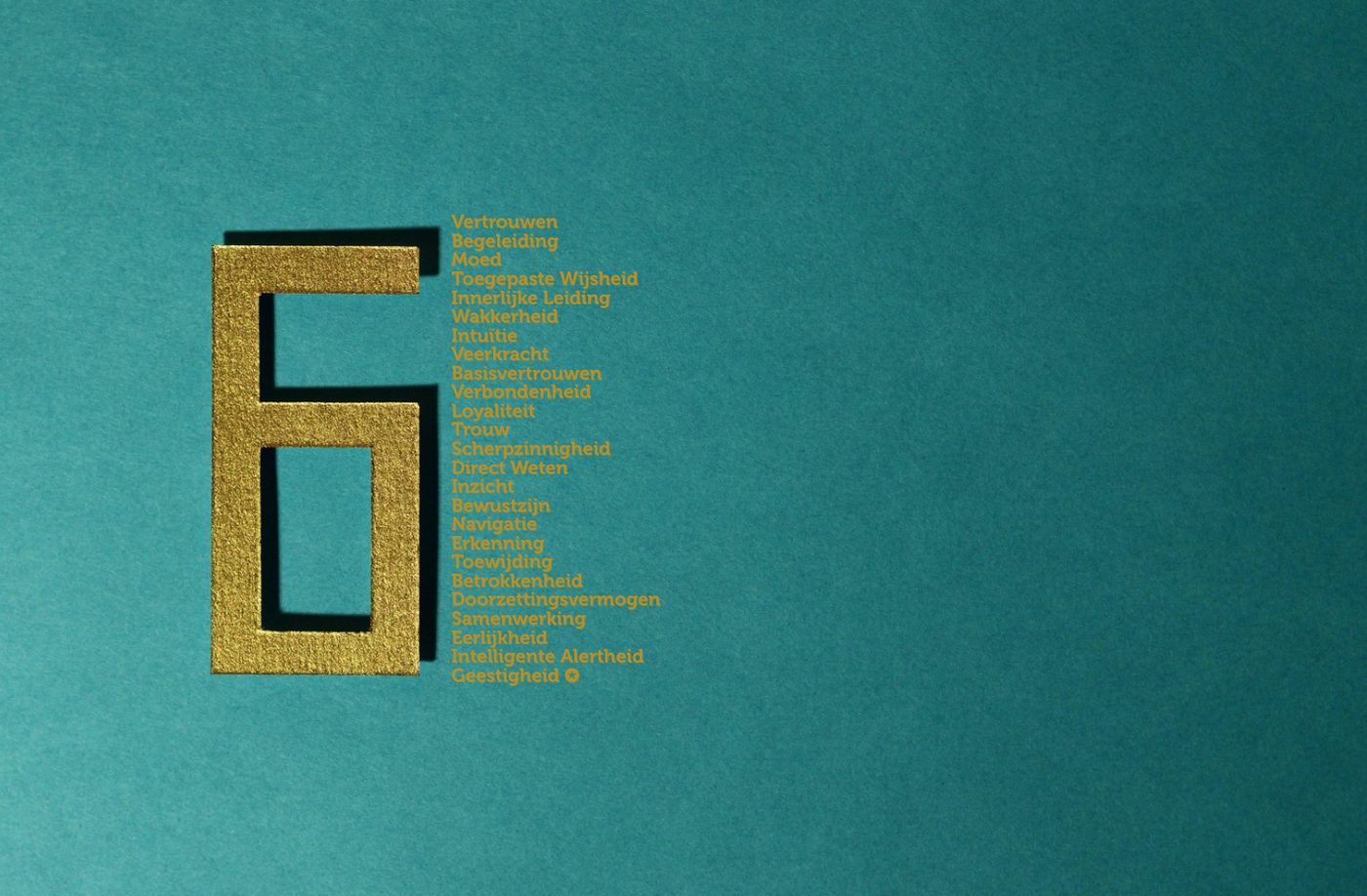
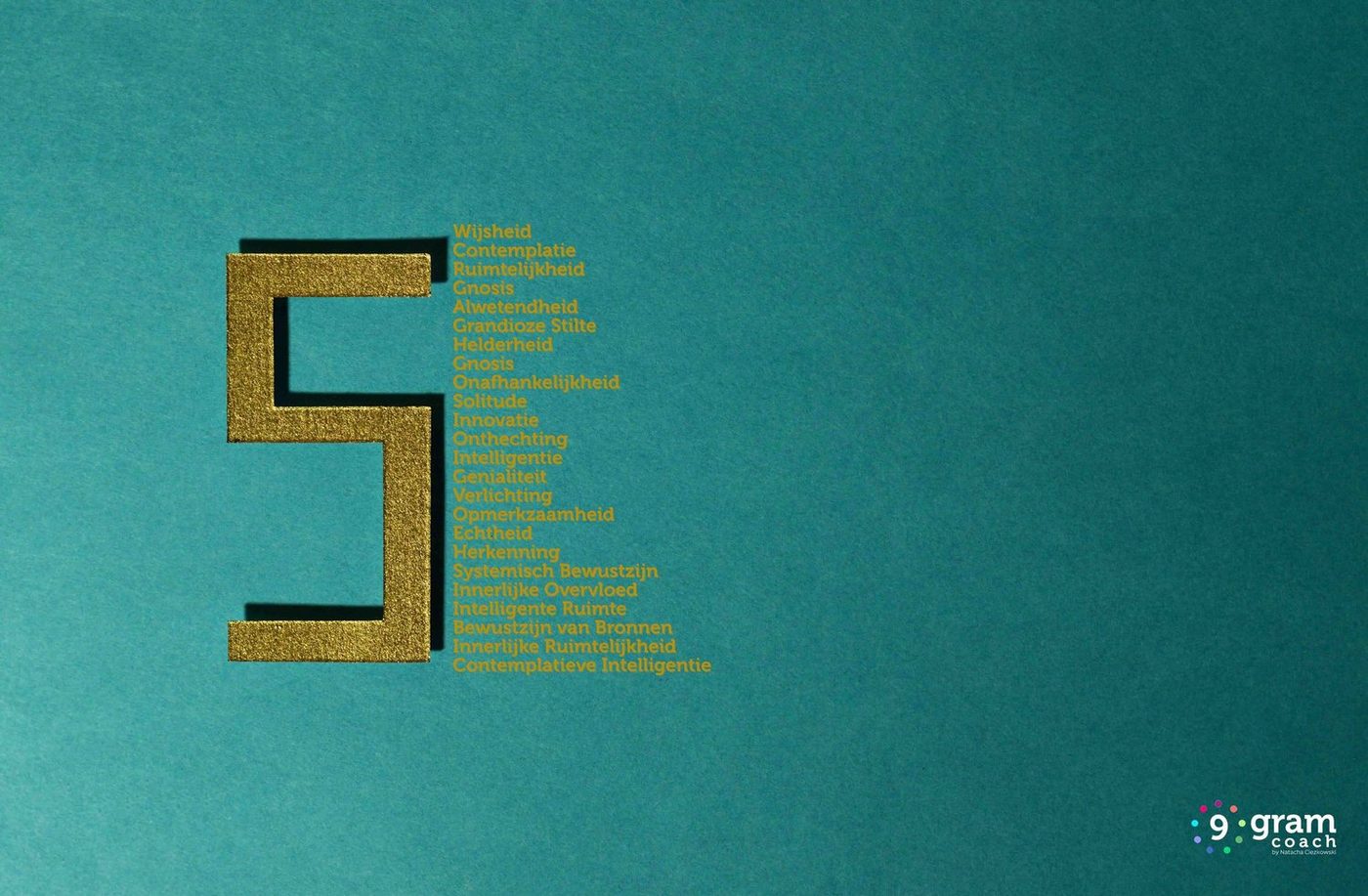
Enneagram 5 and 6 get stuck in excessive thinking: they analyse, prepare and doubt endlessly.
Enneagram 4 and 2 can drown in emotions and be hyperaware of other people's reactions.
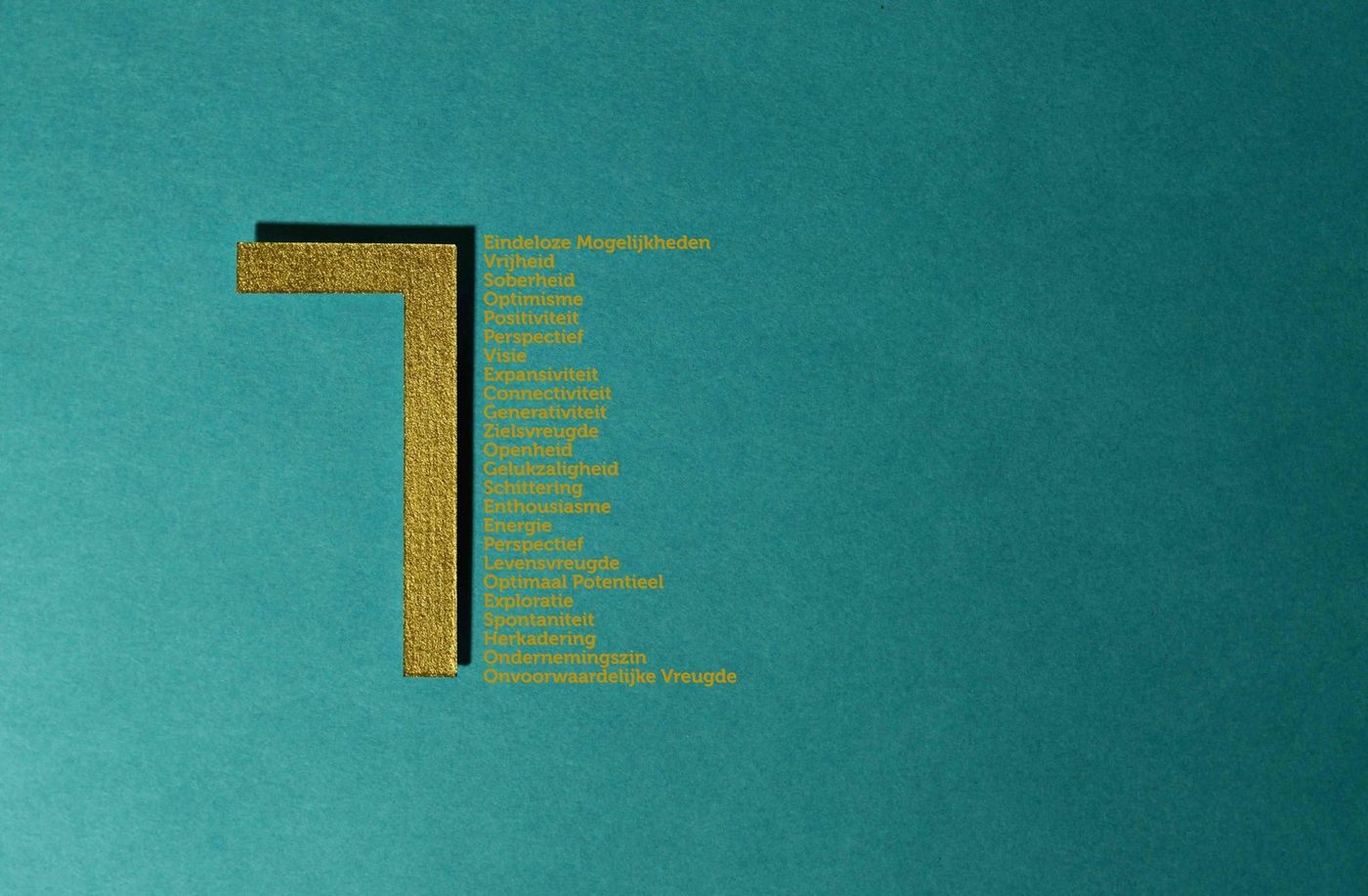
Enneagram 3 and 7 shoot into hyperactivity: constantly busy, afraid of falling still.
Your instinct (self-preservation, sexual or social) reinforces that pattern:
Self-preservation types seek control through certainty and overthinking.
Sexual types seek intensity and can react with oversensitivity or excessive passion.
Social types want to belong and become overactive in social interactions.
The three centres (thinking, feeling, doing) don't work as a team
Instead of working together, they hold each other captive.
You think too much and feel too little.
Or you feel everything, but don't take action.
Or you do and do, without reflecting.
This may feel like ‘simply who you are’, but it is actually a survival mechanism. A way of staying in control of a world that sometimes feels unpredictable.
But what if you no longer need to?
The pitfall: the illusion of control
We believe our patterns protect us. That if we just think enough, we'll make the right decision. If we're just sensitive enough, we can avoid the pain. If we just work hard enough, we will succeed.
But here is the truth:
Overthinking feels like it gives you control, but it keeps you trapped in doubt and paralysis.
Oversensitivity feels like it connects you, but it drains you and makes you dependent on external stimuli.
Overactivity feels like it moves you forward, but it leads to superficiality and burnout.
What you really need is not more control. It is intelligence in how you handle your thinking, feeling and doing.
The shift: intelligent thinking, feeling and doing
Intelligent thinking doesn't mean stopping thinking. It means thinking clearly.
Being able to distinguish between constructive thinking and over-analysing.
Daring to trust your intuition, instead of endlessly searching for certainty.
Knowing when your brain is helping you - and when it is holding you captive.
Intelligent feeling doesn't mean feeling less. It means feeling freely.
Not over-analysing every emotion, but simply letting it exist.
Knowing that your emotions are real, but don't always tell the truth.
Being able to let go without ignoring.
Intelligent doing doesn't mean doing more. It means acting with purpose.
Not acting out of a need to prove yourself or out of fear, but out of intention.
Being able to pause without guilt.
Finding balance between action and rest.
This is the transition from conditioned patterns to conscious choices.
In practice: how do you make this shift?
A simple exercise you can do RIGHT NOW:
Pause for a moment and ask yourself three questions:
Where is my energy right now? In thinking, feeling or doing?
Is this helpful, or am I stuck in a pattern?
What happens if I stop for a moment and simply observe?
Feel the difference between ‘reacting automatically’ and ‘acting consciously’.
If you're overthinking: let the thought be there without engaging with it.
If you're oversensitive: breathe out and remind yourself that not everything is personal.
If you're overactive: do nothing for a moment. See what happens.
Freedom: what if you have nothing to fix?
The ultimate truth is this: you don't have to force anything.
The balance between thinking, feeling and doing doesn't come from working harder on yourself, but from letting go of what no longer serves you.
Real intelligence is not ‘more knowledge’ or ‘more control’, but being present in the moment.
You are not your patterns. You are the awareness that can observe them.
And when you can see that, space opens up.
For real clarity. Real connection. Real action.
Not because you have to. But because it arises naturally.
Which shift can you make today?